Interview
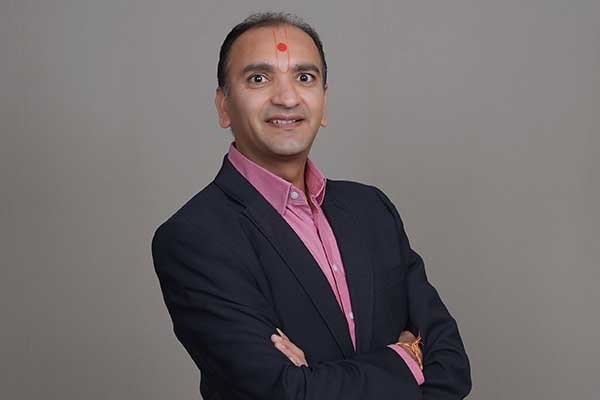
Gaurang Bhavsar
Micro Labs USA, United States
Gaurang Bhavsar, Associate Director of Regulatory Affairs at Micro Labs USA, Inc., brings over 20 years of experience and a Master’s in Industrial Pharmacy. He leads FDA-aligned strategies and remains dedicated to advancing regulatory science, product development, and patient safety.
1 Please provide us a brief bio of yourself and your health industry background.
I hold a Master of Science in Industrial Pharmacy and have over two decades of experience in regulatory affairs within the pharmaceutical industry. Currently, I serve as the Associate Director of Regulatory Affairs at Micro Labs USA, Inc., where I lead important regulatory and compliance strategies to ensure everything aligns with FDA standards throughout the product lifecycle. I’m proud to hold the Regulatory Affairs Certification (RAC), which shows my expertise in regulatory processes. I’ve been recognized as a "RegEx Pro," “RAPS Platinum Most Valuable Contributor,” and "RAPS Mentor" by the Regulatory Affairs Professional Society (RAPS) for sharing my knowledge. The American Association of Pharmaceutical Scientists (AAPS) also named me a “Silver Contributor” for my leadership in pharmaceutical and regulatory science. My research interests include Regulatory Compliance, Regulatory Requirements, DSCSA, Validation, Nitrosamine Impurities, Microdialysis, Anti-fungal Activity, Product Development, and Patient Safety—areas where I’ve made significant contributions to the pharmaceutical industry. I’ve also helped shape industry standards by serving as a panelist on DSCSA compliance alongside wholesalers and dispensers. Through my leadership and dedication, I continue to drive progress in regulatory science, product development, and patient safety, working to establish myself as a thought leader in the pharmaceutical industry.
2 What motivated you to pursue this particular health initiative, and what impact has it had on individuals or communities?
I come from a family that believes in public service and has always been engaged with various organizations to support the community. The pharmaceutical industry produces medicines, which are key products that we need throughout our lives—from birth until death. I chose to pursue a Bachelor of Pharmacy after high school in India, and through a campus interview, I got my first professional break in the Regulatory Affairs department. Although I worked there for only six months, I learned a lot and made the determination that regulatory affairs should be my primary career focus. Later, I realized that a bachelor’s degree was not enough to fulfill my dream job, so I decided to move to the USA to pursue a master’s degree in industrial pharmacy.
3 Tell us more about your business/company, your job profile, and the specific responsibilities you undertake.
Micro Labs USA, Inc. is a wholly owned subsidiary of Micro Labs Limited, India, which is one of the top twenty pharmaceutical companies in India and was founded in 1973. The US headquarters markets high-quality, affordable generic medicines trusted by patients and healthcare professionals. As our motto states, it is Micro Labs’ attention to “health in the small details” that allows us to provide best-in-class service and supply to our customers. These products are made in three state-of-the-art USFDA-approved facilities – one in Goa and two in Bangalore, India – focusing on oral solid tablets and capsules, injections, ophthalmic, and oral solutions. I have been working as Associate Director – Regulatory Affairs since May 2019. My key responsibilities include: – Acting as the US Regulatory and Compliance leader, responsible for developing, implementing, and maintaining regulatory strategies throughout the product lifecycle. – Managing generic product (ANDA) submission documents and communications with the FDA and Micro Labs Limited, India, for product development and approval. – Sharing regulatory intelligence with stakeholders to assess impacts on products and adapt to regulatory changes to prevent business disruption. – Collaborating with the Associate Vice President and managers to ensure compliance and project completion, offering strategic regulatory advice to speed market approval. – Reviewing all generic product submissions, including original submissions, PAS, CBE-0, CBE-30, post-marketing requirements, annual reports, and REMS, and maintaining all related communications. – Managing Certificate of Pharmaceutical Product (CPP) submissions to the FDA for marketing approval in Rest of the World (ROW) markets. – Planning and implementing PLAIR and launch activities for smooth US market distribution. – Managing all state licenses for US distribution and advising on compliance with state-specific regulations. – Overseeing Drug Price Transparency reporting and Drug Take Back programs. – Reviewing drug listings and SPL-related activities for approved products and ANDA applications, ensuring labeling compliance. – Monitoring and addressing product quality and safety complaints through pharmacovigilance systems. – Managing field alerts, product recalls, and drug notifications in accordance with the Drug Quality and Security Act (DQSA) and FDA requirements. – Overseeing ATP (Authorized Trading Partner) EPCIS connections for seamless data exchange and exception handling under DQSA. – Executing and managing Quality and Pharmacovigilance Agreements with contract manufacturing organizations (CMOs). – Performing quality audits with vendors, distribution centers, return processors, CMOs, and other service providers in the US.
4 Can you share a specific story or testimonial that exemplifies the positive impact your project has had on an individual or community?
DSCSA (Drug Supply Chain Security Act) compliance is in talks from past few years and if company is non-complaint to this requirement could not do the business in the United States, as it’s a violation of the federal regulation for the safety of the patient. I started in this work area in depth since year 2020 and provided strategy to our operations and IT team. How we as a company attain this compliance requirement and stay compliant to stay in the business as even as of today so many pharmaceutical companies are struggling to meet this compliance obligation. As on today Micro Labs USA, Inc. made successful connection with all downstream wholesalers/distributors to send the EPCIS data and receive satisfactory score cards from major wholesalers, that certify that we are in DSCSA compliance, which also gives us an opportunity for the additional business and company is benefited with additional business and marked recognition as DSCSA compliant company.
5 What unique artistic or creative elements did you utilize to communicate the health message or story?
I believe in and follow the FDA’s guiding principle: right the first time. I always thoroughly read the requirements, consult multiple resources to ensure accuracy, prepare the document or response carefully, review my work at different times or on different days, and then finalise the activity. I also believe that each professional should have enough time to complete their tasks to ensure quality and positive outcomes. I work closely with colleagues and partners in the US, India, and other locations around the world. I always respect their time zones and clearly communicate expectations for their deliverables, keeping in mind the FDA’s strict deadlines. Thankfully, they have never disappointed me. Many pharmaceutical companies face challenges in complying with the FDA’s DSCSA (Drug Supply Chain Security Act) requirements. Based on multiple customer feedbacks, I am proud to say that Micro Labs USA, Inc. is one of the few companies successfully connected with all downstream customers for EPCIS data exchange and is regarded as a role model for handling exceptions in DSCSA compliance. For any project, whether short- or long-term, and even daily tasks, I believe it’s important to include two people from my company and two people from the partner company in all communications. This approach ensures that everyone stays on the same page and significantly reduces the risk of miscommunication, helping us complete work within the desired timeframe.
6 Congratulations! As a winner of the TITAN Health Awards, what does it mean to you, your company or team to receive this award distinction?
One more prestigious award I received for my professional work truly keeps me motivated to do more for the profession. It is a testament to my hard work ensuring the availability of affordable generic medicines and patient safety for US citizens.
7 Can you explain a bit about the winning work you entered into the TITAN Health Awards, and why you chose to enter this project?
Most pharmaceutical companies face challenges in complying with the FDA’s DSCSA (Drug Supply Chain Security Act) requirements. Based on multiple customer feedbacks, I am proud to say that Micro Labs USA, Inc. is one of the few companies connected with all their downstream customers for EPCIS data exchange and serves as a role model for handling exceptions in DSCSA compliance. The DSCSA was implemented to prevent fraudulent drug products from entering the United States, ensuring patient safety. Every pharmaceutical company must meet this requirement, but many struggle due to a lack of specific skills, the importance of the regulation, and financial burdens. With over five years of hands-on experience in serialization, I have a thorough understanding of the processes, potential errors, and mitigation strategies. Because of this, I can confidently say that Micro Labs has strong DSCSA processes in place to maintain compliance. I have also served as a panelist on DSCSA compliance, sharing best practices at industry conferences. If invited by the government to share these practices, I would be happy to contribute to benefiting other industry peers and the generic pharmaceutical sector as a whole.
8 What was the biggest challenge with this project?
DSCSA (Drug Supply Chain Security Act) compliance has been a topic of discussion for the past few years. Companies that are not compliant with this requirement cannot do business in the United States, as it is a violation of federal regulations designed to ensure patient safety. I began working in this area in depth in 2020 and have provided strategies to our operations and IT teams on how we, as a company, can attain and maintain compliance to continue operating. Even today, many pharmaceutical companies struggle to meet this compliance obligation. As of today, Micro Labs USA, Inc. has successfully connected with all downstream wholesalers and distributors to send EPCIS data and has received satisfactory scorecards from major wholesalers certifying that we are in DSCSA compliance. This achievement not only opens opportunities for additional business but also brings marked recognition to our company as a DSCSA-compliant organization.
9 What are your top three (3) things you think is unique about the health industry?
- Regulatory Compliance - Patient Safety - Mentorship - Affordable generic drugs
10 What makes your country unique in the health industry?
Through its leadership, significant investment, and targeted programs, the U.S. has contributed to enormous progress: - Contributing to a significant drop in global poverty rates - Helping to found, and serving as a key donor to multilateral health organizations including the Pan American Health Organization, WHO, GAVI, and The Global Fund - Allocating over $9 billion in global health programs, in addition to almost $16 billion in emergency supplemental funding for COVID-19 in 2021 - Saving more than 21 million lives through the President’s Emergency Fund for AIDS Relief (PEPFAR) - Investing $770 million in the President’s Malaria Initiative (PMI) in 2020, reaching nearly 60 million people with malaria treatment - Contributing to over 400 million children being vaccinated against polio each year - Committing up to $11 billion over three years towards global malnutrition - Working with partners on key global health priorities including childhood immunization, nutrition, and human resources for health - Working with partners to develop equitable health systems that deliver for the most vulnerable and hardest-to-reach.
11 Where do you see the evolution of the health industry going over the next 5-10 years?
The U.S. healthcare industry is on the cusp of significant transformation over the next decade, driven by technological advancements, evolving patient expectations, and persistent financial and operational challenges. Here's a breakdown of what to anticipate: 1. Growth Areas and Opportunities Market Expansion: The U.S. health and medical insurance market is projected to grow from $1.59 trillion in 2025 to $2.13 trillion by 2030, demonstrating a CAGR greater than 6%. This growth is fueled by rising chronic disease incidences and an increasing demand for health insurance. 2. Technological Integration: Digital Transformation: The industry is undergoing rapid digitalization, catching up with sectors like retail and finance. Approximately 90% of healthcare executives anticipate an acceleration in the use of digital technologies. Artificial Intelligence (AI): AI is expected to revolutionize healthcare through improved workflows, enhanced clinician training, and increased patient safety. Generative AI will likely streamline administrative tasks, improve health equity, and reduce wait times. AI-powered tools can also simplify complex diagnostics and personalize treatments. Telehealth and Remote Patient Monitoring (RPM): Telehealth adoption, which significantly increased during the pandemic, will continue to expand, accounting for a larger share of outpatient visits. RPM, utilizing IoT-powered wearable devices, will enable remote communication and monitoring, facilitating virtual hospitals and personalized care. Virtual and Augmented Reality (VR/AR): VR and AR are poised to transform patient care through pain management, rehabilitation, surgical visualization, medical simulations, and mental health treatments. Data Analytics and Interoperability: Advanced data analytics, including big data and predictive models, will lead to better patient outcomes and improved efficiencies. Enhanced data sharing and interoperability between healthcare systems will be crucial. Other Emerging Technologies: Expect increased adoption of 3D printing for personalized medical devices, blockchain for secure data management, and nanomedicine for targeted therapies. Value-Based Care (VBC): The shift from fee-for-service to VBC models will accelerate, with a growing percentage of payments tied to quality outcomes. By 2027, it's estimated that 90 million lives will be under VBC arrangements. Growth in Specific Sectors: Ambulatory surgery centers (ASCs) and home healthcare are projected to grow by 7% annually through 2028, aligning with patient preferences for lower-acuity settings and broader reimbursement options. The Medicare Advantage market, including the dual-eligible population, will also continue to expand. Key Challenges Rising Healthcare Costs: Healthcare spending in the U.S. reached $4.9 trillion in 2023, a 7.5% increase from the previous year. This trend is driven by factors like rising drug prices, increased utilization, and the cost of new technologies. Managing these escalating costs will be a significant challenge. Workforce Shortages and Burnout: Shortages of nurses, physicians, and other healthcare professionals are expected to persist, leading to increased labor costs and potential strain on service delivery. Addressing clinician burnout and improving workforce retention will be critical. Aging Population and Eldercare: With an increasing number of older adults, the demand for eldercare services will rise significantly, placing additional pressure on the healthcare system. Health Equity: Addressing disparities in healthcare access and outcomes across different populations will remain a crucial challenge. Technology can play a role in tackling these disparities. Cybersecurity: As healthcare becomes more digitalized, safeguarding patient data against increasingly sophisticated cyber threats will be paramount. Integration of Advanced Technologies: Effectively integrating new technologies like AI and VR into clinical practice and ensuring equitable access will require careful planning and investment. Policy and Regulatory Changes: The healthcare industry will continue to be shaped by evolving federal and state regulations, including those related to cost management, payment models, and the oversight of new technologies like AI. Financial Pressures: Hospitals and health systems face financial pressures from slow reimbursement growth, rising operating costs, and potential increases in payer denials. Strategies for the Future Focus on Efficiency and Cost Management: Healthcare organizations will need to focus on improving operational efficiency, leveraging technology to reduce costs, and exploring alternative care delivery models. Investment in Workforce Development and Retention: Strategies to attract, train, and retain healthcare professionals will be essential to address workforce shortages. Enhanced Patient Engagement: Engaging patients through digital platforms, personalized communication, and convenient access options will be crucial. Strategic Partnerships and Consolidation: Collaborations and mergers may help organizations navigate financial challenges and expand service offerings. Emphasis on Preventive Care and Wellness: Programs aimed at promoting healthier lifestyles and preventing chronic diseases will become increasingly important. In conclusion, the U.S. healthcare industry over the next decade will be characterized by significant growth and innovation, driven by technological advancements and a growing market. However, it will also face substantial challenges related to cost, workforce, equity, and regulation. Success will depend on the industry's ability to adapt, embrace new technologies, and implement strategies that improve efficiency, access, and patient outcomes.
12 What resources would you recommend to someone who wants to improve their skills in the health industry?
- Become a member of professional organizations and volunteer your time. - Take competitive exams to continue learning and stay updated in your profession. - Attend professional conferences for networking and to stay up to date with industry trends.
13 Who has inspired you in your life and why?
I come from a family that believes in public service and has always been engaged with one organization or another to support the community. The pharmaceutical industry produces medicines, which are among the key products we rely on throughout our lives — from birth to death.
14 What is your key to success? Any parting words of wisdom?
- Consistency, planning, punctuality and continuous learning are my keys for success. - Challenges are part of life, so attempt it happily. Stay strong and be faithful in god. Tell yourself, I overcame with past challenge and this one is nothing, and I will handle it.

