Interview
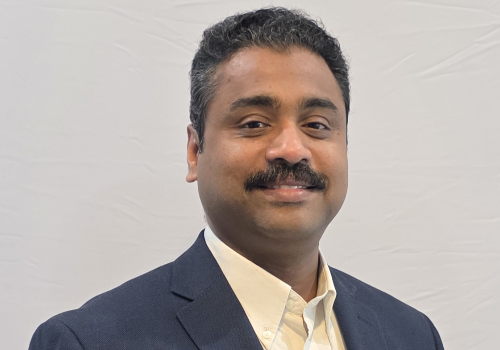
Harikrishnan Muthukrishnan
United States
Harikrishnan Muthukrishnan is a technology leader with over 20 years of experience in enterprise IT, specializing in Pega PRPC architecture and digital modernization within the healthcare insurance space. As Principal IT Developer at Florida Blue, he drives transformation through secure, scalable solutions that improve care delivery, streamline operations, and elevate both member and provider experiences.
1 Please provide us a brief bio of yourself and your health industry background.
I am a distinguished technology leader specializing in Pega PRPC architecture and administration within the healthcare insurance sector. With over two decades of global experience in enterprise IT, I have become a key driver of digital transformation in healthcare, known for architecting secure, scalable, and future-ready platforms. As a Principal IT Developer at Florida Blue, I have led mission-critical modernization efforts that transformed legacy insurance systems into agile, intelligent ecosystems. My work has enabled profound improvements in care delivery, administrative efficiency, and regulatory compliance, while enhancing both member and provider experiences through innovative technology. My expertise spans platform consolidation, AI-driven automation, DevSecOps integration, and low-code/no-code innovation—each contributing to streamlined operations and improved responsiveness in a highly regulated healthcare environment. I am also a committed mentor, IEEE Senior Member, and Forbes Technology Council contributor, actively shaping the next generation of healthcare IT leaders. Through my vision and leadership, I continue to redefine what’s possible at the intersection of technology and health, advancing digital solutions that are resilient, intelligent, and aligned with the mission to improve lives.
2 What motivated you to pursue this particular health initiative, and what impact has it had on individuals or communities?
What motivated me to pursue this healthcare initiative was a deep desire to modernize outdated systems that were slowing down care, increasing administrative burden, and creating barriers for both providers and members. I saw an opportunity to use technology not just as a tool—but as a catalyst for change in how health insurance is delivered and experienced. Working within a complex and highly regulated environment like healthcare, I recognized that a modern, intelligent, and secure platform could dramatically improve access, accuracy, and agility across the entire system. That’s what led me to champion the adoption and transformation of our insurance operations using Pega PRPC architecture and administration. The impact of this initiative has been profound. By replacing legacy platforms with a unified, low-code solution, we’ve streamlined critical processes, reduced delays, and empowered teams to respond more effectively to member needs. From underwriting to benefits management, the platform improvements have directly contributed to faster service delivery, better decision-making, and a more seamless healthcare experience for individuals and families. Beyond technical outcomes, the transformation has instilled a new level of confidence and capability across the organization—positioning us to meet future healthcare challenges with agility, innovation, and compassion.
3 Tell us more about your business/company, your job profile, and the specific responsibilities you undertake.
I work at Florida Blue, one of the most trusted health insurance providers in the United States, committed to delivering high-quality, affordable healthcare solutions to individuals and communities. As an affiliate of Blue Cross Blue Shield, Florida Blue plays a critical role in shaping the future of digital health through innovation, member-centric services, and enterprise technology transformation. In my role as Principal IT Developer, I lead strategic technology initiatives that modernize our core healthcare insurance systems. My primary focus is on architecting and administering the Pega PRPC platform, which serves as the digital backbone for critical business functions such as group sales, enrollment, underwriting, and renewals. My responsibilities include: • Designing scalable, secure, and future-proof Pega solutions that align with evolving healthcare business needs. • Modernizing legacy systems to improve agility, compliance, and service delivery. • Driving low-code/no-code development, enabling faster implementation and responsiveness. • Leading AI and automation efforts to streamline workflows and reduce manual processing. • Overseeing DevSecOps practices, ensuring secure, efficient, and compliant deployments. • Mentoring engineers, supporting innovation pilots, and shaping long-term IT strategy. My role allows me to bridge technical leadership with healthcare impact—ensuring that our platforms not only function efficiently but also empower the organization to deliver better care, faster service, and smarter outcomes.
4 Can you share a specific story or testimonial that exemplifies the positive impact your project has had on an individual or community?
One story that stands out is how our Pega platform modernization directly supported a small business owner navigating complex group insurance renewals during the pandemic. Prior to the transformation, this process was manual, slow, and often confusing—requiring multiple back-and-forths with paperwork, delayed approvals, and limited visibility. After we implemented the streamlined, automated workflow using Pega PRPC, supported by integrated e-signatures and real-time underwriting, the experience changed dramatically. The business owner was able to renew their group plan entirely online, receive timely updates, and secure uninterrupted coverage for their employees—all within a matter of hours instead of weeks. This wasn’t just a process improvement—it was a moment of trust and relief during a challenging time. It exemplified how technology, when thoughtfully designed, can remove friction, restore confidence, and deliver peace of mind to those who rely on healthcare the most. That experience—like many others—is a reminder that behind every system we build, there are real people whose lives and wellbeing are impacted. And that’s the true reward of this work.
5 What inspired you to create this health-related creative project, and what message or impact were you aiming to convey?
What inspired me to create this healthcare transformation project was the growing urgency to replace outdated, fragmented legacy systems that were no longer sustainable, technically, financially, or securely. In the fast-evolving world of healthcare insurance, legacy platforms were slowing down critical operations, increasing administrative costs, and creating significant risks when it came to data security and audit compliance. I saw a clear opportunity to reimagine how healthcare systems operate—to create a modern, low-code, intelligent platform that not only streamlined processes but also provided built-in resilience, real-time visibility, and audit-readiness. Through the use of Pega PRPC architecture and administration, we replaced complex manual steps with secure, automated workflows that reduced cost, improved agility, and ensured compliance with healthcare regulations like HIPAA. The message I wanted to convey through this transformation was clear: Healthcare IT doesn't have to be reactive and rigid—it can be proactive, secure, scalable, and built for the future. By modernizing our platform, we empowered teams to work smarter, delivered faster services to members, and built an infrastructure that meets the demands of today while preparing for tomorrow’s challenges.
6 What unique artistic or creative elements did you utilize to communicate the health message or story?
To communicate the health message and the story behind our transformation, I focused on blending technology with empathy—leveraging creative approaches that made complex processes simple, human-centric, and impactful. Here are a few unique elements I employed: • Visual Journey Mapping: We designed intuitive, role-based user experiences within the Pega platform that visually guided users—from healthcare sales associates to underwriters—through each step of the process. This made the complex journey of group insurance selection and renewal feel more personalized and accessible, especially for non-technical users. • Digital Storytelling Through Automation: Instead of just building workflows, we told a story—a story of transformation from delay and confusion to clarity and control. Automated notifications, real-time status tracking, and interactive dashboards became narrative tools that gave members and staff visibility, ownership, and confidence in their healthcare decisions. • Design with Purpose: We applied principles of accessible design and user empathy throughout the platform, ensuring that every screen, action, and interface element communicated clarity, care, and trust—especially vital in a healthcare context where decisions can have life-altering consequences. • Symbolic Innovation: One of the most symbolic features was the rollout of a custom digital e-signature system during the pandemic, which replaced paper-based delays with a secure, remote solution. It didn’t just save time—it sent a powerful message: We’re here, we’re responsive, and we’re evolving to protect your health and peace of mind. By embedding creativity into the architecture, automation, and user experience, we turned a complex IT initiative into a compelling healthcare story—one centered on people, purpose, and progress.
7 How does your creative project contribute to raising awareness, promoting behaviour change, or improving health outcomes?
My creative project contributes to raising awareness, promoting behavior change, and improving health outcomes by transforming how healthcare insurance services are delivered—making them faster, more accessible, and more transparent for both members and providers. By retiring legacy systems and introducing a modern Pega PRPC-based platform, we’ve replaced fragmented processes with a seamless digital experience that educates users, guides them through complex decisions, and reduces barriers to care. Members are now empowered with real-time visibility into their benefits, applications, and approvals—encouraging proactive engagement rather than passive waiting. The automation of critical workflows, such as underwriting and plan renewals, also reduces delays that often prevent timely access to coverage. This shift promotes faster enrollment, better plan management, and more efficient provider-patient coordination, which ultimately contributes to improved continuity of care. Moreover, by embedding secure digital practices and ensuring full compliance with healthcare regulations, we’re not only protecting sensitive health information—but also building trust, which is essential for long-term behavioral change and member satisfaction. In essence, the project turns technology into an enabler of better health outcomes by making the healthcare insurance process simpler, more secure, and member-centered.
8 What unique and compelling elements did you incorporate into your advertising materials to capture attention and deliver the health message effectively?
For this project, we approached our internal and external communications not just as IT updates—but as a story of transformation and empowerment. To deliver the health message effectively and capture attention, we incorporated the following unique and compelling elements into our outreach and awareness materials: • Human-Centered Messaging: We shifted the focus from technical jargon to real-life impact—using scenarios that showed how faster approvals, seamless enrollments, and digital accessibility could reduce stress, save time, and improve members' healthcare experience. The message was clear: “We’re making healthcare simpler, faster, and safer—for you.” • Interactive Visuals & Journey Maps: We used visual storytelling like user journey maps and before-vs-after comparisons to make the benefits of modernization immediately clear. These visuals demonstrated how previously manual or delayed processes could now be completed digitally—building confidence in the new system. • Success Stories & Testimonials: We spotlighted internal champions and real user success stories to create trust and relatability. These stories resonated far more than technical specs, showing how digital transformation truly helped businesses and individuals navigate healthcare more efficiently. • Security and Compliance Messaging: To gain adoption across sensitive domains like underwriting and operations, we highlighted how the platform was designed with audit-readiness, HIPAA compliance, and end-to-end encryption—reassuring users that modernization didn’t mean sacrificing control or compliance. • Behavioral Nudges Through UI Design: Within the platform itself, we embedded digital nudges—clear calls to action, real-time progress indicators, and smart notifications—that encouraged users to engage, complete workflows, and trust the system. This subtle design approach promoted positive behavior change and faster adoption. By blending clear storytelling, emotional connection, and trust-building elements, we ensured that the messaging was not only informative but truly transformative—just like the platform itself.
9 Congratulations! As a winner of the TITAN Health Awards, what does it mean to you, your company or team to receive this award distinction?
Thank you! Winning the TITAN Health Awards for “Revolutionizing Healthcare Insurance with Pega PRPC Architecture & Administration” is an incredible honor—and a powerful validation of the work we’ve passionately led over the past decade. For me personally, it reaffirms my commitment to using technology as a force for good in healthcare—not just to modernize systems, but to empower people, streamline access to care, and improve the member experience. It represents years of learning, problem-solving, and innovation dedicated to transforming one of the most complex and critical industries. For Florida Blue and our teams, this distinction is a celebration of our collective vision, resilience, and leadership. It highlights our success in replacing legacy systems with a secure, scalable, and intelligent platform that improves operational agility, ensures compliance, and sets the foundation for future innovations like AI, process mining, and Pega Cloud migration. Most importantly, this award sends a clear message: digital transformation in healthcare is not just possible—it’s essential. And we’re proud to be at the forefront of that change.
10 Can you explain a bit about the winning work you entered into the TITAN Health Awards, and why you chose to enter this project?
The winning project I entered—“Revolutionizing Healthcare Insurance with Pega PRPC Architecture & Administration”—is the culmination of a decade-long digital transformation journey at Florida Blue. It represents a strategic, technology-driven initiative to retire outdated legacy systems and build a modern, secure, and intelligent platform using Pega PRPC, tailored specifically for the complexities of healthcare insurance. This project consolidated multiple sales and service systems into a single, streamlined solution that powers everything from group enrollment and underwriting to renewals and special product requests. We introduced low-code/no-code innovation, AI-driven automation, and real-time business reporting, all while ensuring full compliance with HIPAA and security audit standards. One of the most critical enhancements included the implementation of enterprise-wide digital e-signatures, enabling remote workflows during the pandemic. I chose to enter this project into the TITAN Health Awards because it is more than a technical success—it’s a story of human-centered innovation. It demonstrates how thoughtfully applied technology can remove friction, reduce operational complexity, and ultimately enhance the way individuals, businesses, and providers experience healthcare. This initiative has not only improved efficiency and reduced costs, but it has created a scalable foundation for future transformation—including process mining, generative AI integration, and Pega Cloud migration. It’s a model of how insurance organizations can evolve with purpose and precision in today’s fast-changing healthcare landscape.
11 What was the biggest challenge with this project?
The biggest challenge with this project was navigating the complexity of retiring deeply embedded legacy systems—while ensuring uninterrupted service in a mission-critical healthcare environment. These legacy platforms had been in use for years, with overlapping business rules, fragmented data, and manual workflows that were tightly woven into the day-to-day operations of enrollment, underwriting, renewals, and member servicing. Replacing them wasn’t just a technical task—it required a strategic and cultural transformation across the organization. We faced three major hurdles: • Data Migration and Business Continuity: Ensuring that massive volumes of sensitive insurance data were accurately migrated without disrupting member services or business operations. • Security and Compliance Alignment: Meeting rigorous healthcare security standards like HIPAA, while modernizing infrastructure, required the implementation of a custom security framework and audit-ready architecture. • Cross-Functional Adoption: Encouraging business users to adopt a new low-code platform meant redefining workflows, retraining teams, and building trust in the new system’s reliability and transparency. We overcame these challenges by leveraging agile delivery, embedding DevSecOps practices, and fostering close collaboration between IT, compliance, and business stakeholders. The end result was a modern Pega-based platform that is secure, scalable, and future-ready, enabling faster decision-making, better member experiences, and continuous innovation.
12 How has winning an Award developed your practice/career?
Winning the TITAN Health Awards has been a transformative milestone in my career—it has not only validated years of hard work and innovation but also amplified the impact of my contributions to the healthcare IT field. This recognition has elevated my practice in several meaningful ways: • Professional Credibility: It has reinforced my role as a thought leader in healthcare digital transformation, particularly in the specialized domain of Pega PRPC architecture and administration. It signals to peers, stakeholders, and industry leaders that the solutions we’ve built are not only technically sound, but globally recognized for their impact. • Expanded Influence: The award has opened new opportunities to mentor others, contribute to industry forums, and speak at conferences, allowing me to share our journey and inspire other organizations navigating legacy system challenges. • Motivation for Innovation: Most importantly, it has deepened my commitment to pushing boundaries—exploring emerging technologies like Pega process mining, generative AI integration, and cloud-native healthcare platforms to continue driving meaningful change. For me, this award is not the destination—it’s a catalyst for continued learning, leadership, and collaboration in building secure, agile, and people-centered healthcare systems.
13 What are your top three (3) things you think is unique about the health industry?
Here are the top three unique aspects of the health industry, especially from the lens of a healthcare technology and insurance leader: 1. Deep Interconnection Between Technology and Human Life: Unlike many industries, healthcare directly affects people’s well-being, trust, and survival. Every technology decision—from system design to workflow automation—has a human impact. The stakes are incredibly high, and solutions must be both technically sound and empathetically designed to improve outcomes, reduce friction, and ensure equitable access to care. 2. Regulatory Complexity and Security Sensitivity: The health industry operates under stringent regulatory frameworks like HIPAA, HITECH, and various state-specific mandates. This creates a unique challenge: innovation must move quickly, but never at the expense of privacy, compliance, and data security. Healthcare IT must be audit-ready, resilient, and transparent by design—a level of rigor not always found in other sectors. 3. Ecosystem-Driven Innovation: Healthcare is one of the few industries where payers, providers, patients, technology platforms, and regulators must collaborate closely. This multi-stakeholder environment demands solutions that are not only technologically advanced but also interoperable, scalable, and deeply integrated across systems and workflows. Successful transformation here is less about standalone tools—and more about orchestrating change across a connected ecosystem.
14 What makes your country unique in the health industry?
The United States holds a unique position in the global health industry due to its powerful combination of innovation leadership, regulatory rigor, and diverse healthcare delivery models. Here’s what makes the U.S. stand out: 1. Innovation at Scale: The U.S. is home to many of the world’s leading healthcare innovators, including major health tech firms, research institutions, and payer-provider networks. It fosters an ecosystem where technologies like AI, low-code platforms, telehealth, precision medicine, and cloud-native healthcare solutions are developed and rapidly deployed—often setting global benchmarks for innovation. 2. Strong Regulatory Framework that Drives Standards: While often seen as a challenge, the U.S.'s robust healthcare regulations (such as HIPAA, CMS mandates, and ONC interoperability rules) actually serve to raise the bar for patient data privacy, system integrity, and ethical digital transformation. This creates an environment where innovation must be balanced with trust, security, and compliance—driving more resilient and thoughtful solutions. 3. Diverse and Complex Healthcare Ecosystem: With public and private payers, integrated health systems, employer-sponsored plans, and a wide range of health tech vendors, the U.S. healthcare system is one of the most diverse and data-rich in the world. This complexity drives the need for flexible, interoperable platforms like Pega PRPC, and fosters a continuous push toward digital modernization to meet the evolving needs of millions of people. In short, the U.S. leads through scale, complexity, and a commitment to secure innovation—making it a fertile ground for transformative healthcare IT solutions.
15 Where do you see the evolution of the health industry going over the next 5-10 years?
Over the next 5 to 10 years, I see the health industry undergoing a profound transformation, driven by a convergence of technology, personalization, and regulatory modernization. Here’s where I believe the evolution is headed: 1. AI-Powered, Patient-Centered Care: The integration of AI and machine learning will go far beyond chatbots and diagnostics. We’ll see AI embedded in every layer of the healthcare system—from predictive analytics in insurance underwriting to intelligent care coordination and early intervention models. This will enable personalized health experiences, improve outcomes, and reduce the cost of care. 2. Low-Code and No-Code Platforms Driving Agility: Healthcare organizations will increasingly rely on low-code/no-code development tools, like Pega PRPC, to rapidly respond to regulatory changes, new care models, and evolving member expectations. These platforms will empower cross-functional teams to build, adapt, and scale solutions faster, securely, and at a lower cost. 3. Cloud-Native, Interoperable Ecosystems: Legacy systems will continue to be phased out in favor of cloud-native, API-driven platforms that prioritize interoperability, data transparency, and security. This shift will enable seamless data exchange across providers, payers, and patients—driving more coordinated and efficient healthcare delivery. 4. Digital Trust and Healthcare Cybersecurity: With increased digitization comes heightened risk. The next decade will see a stronger emphasis on zero-trust security frameworks, confidential computing, and AI-driven threat detection to protect sensitive health data and maintain regulatory compliance. 5. Value-Based, Outcome-Driven Models: We’ll continue moving away from volume-based care toward value-based models—where reimbursement and care delivery are aligned with long-term health outcomes. Technology will play a central role in measuring, optimizing, and managing these outcomes in real time. In essence, the health industry is evolving into a smarter, more connected, and more compassionate system—and the organizations that embrace digital transformation with a focus on people and purpose will lead the way.
16 What resources would you recommend to someone who wants to improve their skills in the health industry?
To thrive in the evolving healthcare industry—especially at the intersection of technology, compliance, and care delivery—I recommend a mix of technical, regulatory, and leadership resources. Here are the most impactful ones based on my experience: 1. Technology & Platform Learning: • Pega Academy – For hands-on training in low-code platforms, BPM, and case management, which are essential for healthcare process automation. • Coursera / edX (Healthcare IT & Data Analytics) – Courses from top universities on healthcare informatics, interoperability, and AI applications in medicine. • Cloud Provider Certifications (AWS, Azure, IBM Cloud) – Focus on healthcare-compliant cloud solutions and architecture patterns. 2. Compliance & Policy Understanding: • HIPAA Journal – Regular updates and deep dives into privacy laws and security frameworks. • Office of the National Coordinator (ONC) – For learning about U.S. interoperability mandates, FHIR standards, and electronic health record (EHR) adoption. • AHIMA and HIMSS Memberships – For exposure to global best practices, policy shifts, and innovation in health information management. 3. Leadership & Innovation Insight: • Harvard Business Review (Healthcare Edition) – Insightful articles on managing change, digital transformation, and health systems strategy. • Forrester & Gartner Health IT Reports – Invaluable for understanding current trends and technology roadmaps. • LinkedIn Learning (Healthcare Leadership) – Courses on digital health leadership, innovation, and strategic thinking. 4. Communities & Conferences: • IEEE, HIMSS, HL7 – Participate in working groups, events, and publications to stay ahead in standards and innovation. • ADPList & Mentorship Platforms – For one-on-one guidance from professionals shaping the future of healthcare. True success in the health industry lies in bridging technical expertise, regulatory knowledge, and human-centered design. These resources help you grow in all three dimensions.
17 Who has inspired you in your life and why?
One of the greatest inspirations in my life has been Dr. A.P.J. Abdul Kalam, the former President of India and a visionary scientist. His life story—from humble beginnings to becoming a leader in space and defense technology, and later, the People’s President—has deeply influenced my approach to leadership, innovation, and service. Dr. Kalam embodied the belief that technology must serve humanity, and that real success lies not in titles or accolades, but in creating meaningful impact. His emphasis on integrity, humility, and lifelong learning has guided me throughout my career in healthcare IT, especially as I work on systems that affect millions of lives. He taught me that even the most complex problems can be solved with dedication and curiosity—and that the ultimate goal of science and engineering should be to uplift people and society. That principle continues to inspire my work in building secure, accessible, and future-ready healthcare solutions.
18 What is your key to success? Any parting words of wisdom?
My key to success lies in purpose-driven innovation, continuous learning, and staying deeply connected to the real-world impact of the technology I build—especially in healthcare, where every system we touch has the potential to improve or delay someone’s care. I believe success isn’t just about solving technical problems—it’s about solving the right problems, with empathy, security, and sustainability in mind. Whether it’s modernizing legacy systems, integrating AI, or enabling compliance, I focus on delivering solutions that are not only functional, but transformative. Parting Words of Wisdom: • Lead with purpose — Don’t just build for efficiency, build for impact. • Stay curious — Healthcare is evolving fast; the best technologists evolve faster. • Empower others — Your success grows when you lift others with you. • Balance innovation with trust — In healthcare, security and integrity are non-negotiable. Above all, remember that technology is only as powerful as the good it enables. Use it to heal, to simplify, and to move people and organizations toward a better future.
19 Do you have anything else you would like to add to the interview?
Yes—thank you for the opportunity to share my journey. I’d like to close by saying that this award is not just a personal milestone, but a reflection of the extraordinary potential within the healthcare technology community. We’re at a pivotal moment where innovation is no longer optional—it’s essential. The ability to modernize platforms, integrate intelligent automation, and uphold the highest standards of security and compliance is what will shape the future of healthcare. I’m grateful to Florida Blue, my mentors, peers, and the broader tech ecosystem for enabling this transformation. And I hope my story encourages others to take bold steps—to challenge legacy thinking, to champion innovation with compassion, and to always build with the end goal of improving lives. Thank you again to the TITAN Health Awards for this recognition. It fuels my commitment to keep pushing boundaries and to continue leading with purpose in the service of healthcare excellence.